

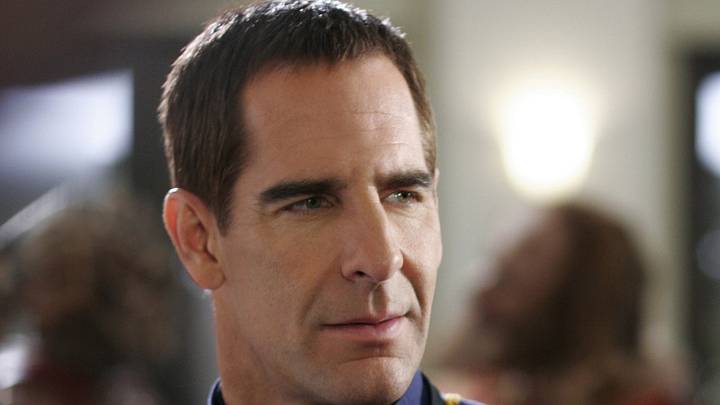
5. Tone, visuals, and the 'frontier' feeling
“Broken Bow” leans into a frontier tone that distinguishes Enterprise from later, sleeker Trek. The NX-01 is noticeably more bare-bones than Galaxy-class ships. People climb through Jefferies tube-like spaces, grapple with decontamination procedures, and complain about how cramped everything is.
There’s more handheld feeling action, more reliance on practical sets, and early 2000s CGI that, while dated in spots, still sells the idea of a ship and crew a bit closer to our present than TNG’s polished future.
The pilot also gives us small but effective atmospheric touches: language barriers (Hoshi working hard to parse Klingon), clumsy use of weapons, and uncertainty about protocols during first contact and decontamination.
That all contributes to the sense that this is not routine Starfleet; it’s the dangerous edge where routines are being invented. In 2026, that roughness feels like a feature, not a bug, especially for viewers curious about how the franchise imagines the messy early days of its utopian project.
Few Star Trek pilots better earn a 25th anniversary rewatch than “Broken Bow”: a 2001 launch that embraces uncertainty, builds trust one mistake at a time, and expands from returning a wounded Klingon to revealing a galaxy already playing games across centuries.
For more Star Trek content, visit the Redshirts Always Die Facebook and X pages.
 Add us as a preferred source on Google