

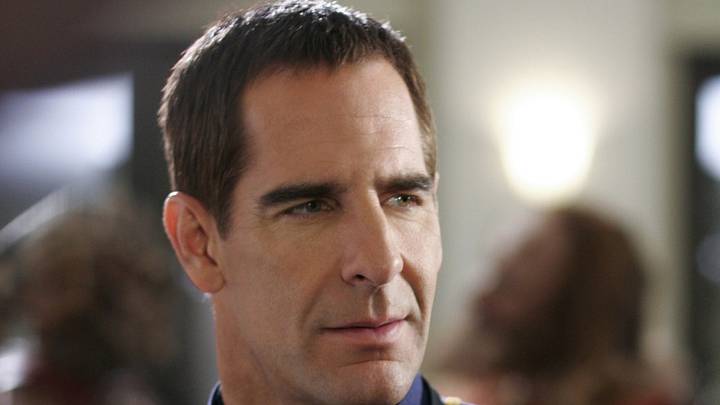
4. The ethical dilemma still works
A lot of Star Trek episodes invoke non-interference ethics and then immediately sidestep them. “Civilization” is more interesting than that because it captures the same ethical tension before the eventual Federation formalizes a strict non-interference policy in the Prime Directive.
Archer and crew are still operating in a period where those rules are evolving, and that makes the episode feel less like a case study in policy and more like a real test of judgment.
That is why it still lands. The ethical question is immediate and painful: do they stay out of it and let the Akaali keep suffering, or do they step in and risk contaminating a culture that hasn’t yet made contact with the wider galaxy?
The Malurian mining operation is exploiting a vulnerable population and blaming the sickness on an “incurable indigenous virus,” which makes Archer’s intervention feel less like interference and more like exposing a lie. It’s one of the early Enterprise stories that understands the tension between observation and responsibility without leaning on a fully developed Prime Directive framework.
 Add us as a preferred source on Google