

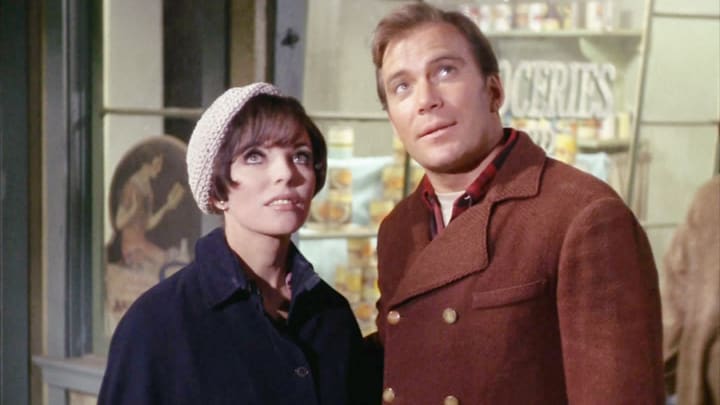
The United Federation of Planets is one of the most interesting fictional institutions. The Federation has been both an interstellar governmental system and a philosophical representation of humanity's deepest desires for fairness and unity for almost 60 years. But as Star Trek grew and evolved, so did the Federation. It has been a radiant beacon, a faltering bureaucracy, and an unsteady ideal. Tracing its journey reveals not decline but deepening complexity, a utopia that values perseverance over perfection.
1. The foundation of a dream
When Star Trek debuted in 1966, it offered a bold counterpoint to Cold War anxieties. The Federation was a democratic group held together by reason and respect. This was very different from the broken world that people knew at the time. Gene Roddenberry imagined a world where exploration took the place of conquest and diversity was a source of strength. The Federation's politics were hard to pin down, but its moral essence was clear.
TOS showed that Captain Kirk's Enterprise was an example of such values: bravery based on compassion and curiosity guided by ethics. Every mission became a test of morality, questioning not if the galaxy was dangerous, but whether humanity could be worthy of it. The Federation was a reminder that integrity and choice are important for progress, even among the stars.
 Add us as a preferred source on Google