

5. Tone, structure, and a devastating ending
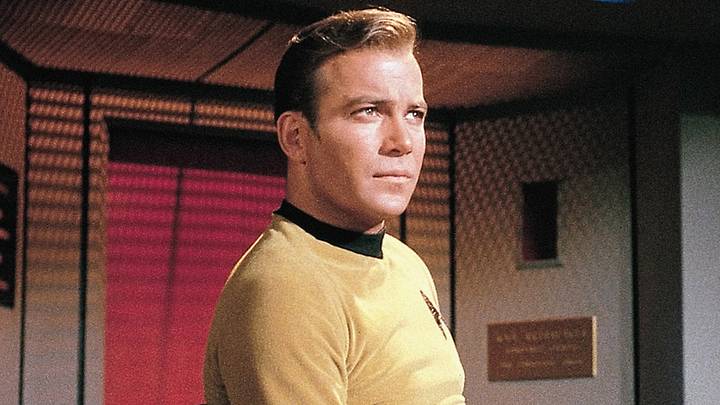
“Balance of Terror” is grim from start to finish, and that tone is part of what makes it so memorable. The wedding that frames the episode never completes; the groom is killed in the battle, and the final scene isn’t a celebration of victory but Kirk quietly comforting the grieving bride, reminding her that her husband’s death wasn’t meaningless, but not pretending the pain is any less.
Structurally, the episode is almost perfectly balanced: alternating bridge scenes, Romulan ship scenes, and brief cutaways to the crew reacting to each escalation. There’s no B‑plot to dilute the focus. It’s just one confrontation, examined from both sides, and resolved in a way that leaves casualties, moral weight, and the uneasy sense that this was only the first test in a longer cold war.
In a franchise that is frequently associated with optimism, that seriousness stands out in 2026. "Balance of Terror" maintains that Starfleet's duty can be grim at times, and that your behavior at those times is precisely where your conscience and character reside.
Few episodes better capture what made early Star Trek special than “Balance of Terror”: a 1966, hour that introduces the Romulans, treats war as a terrifying chess game instead of a thrill ride, and puts prejudice, duty, and tragic respect for the enemy on the table in one tight story.
For more Star Trek content, visit the Redshirts Always Die Facebook and X pages.
 Add us as a preferred source on Google