

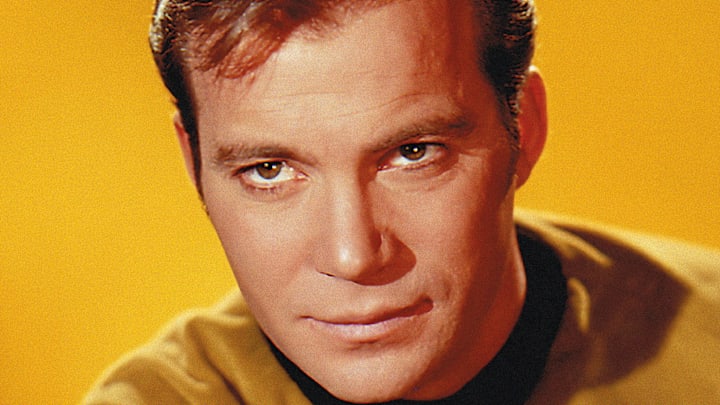
3. A surprisingly nuanced take on 'good' and 'evil'
At first glance, the script leans into a grade-school binary: good Kirk is kind but weak, and evil Kirk is strong but cruel. But as the hour goes on, it complicates that picture into something closer to a thesis: you need both compassion and aggression, both reason and passion, to function as a whole person.
Mr. Spock explicitly spells this out, arguing that Kirk’s “negative” traits, his drive, his anger, his capacity for decisive action, are also the source of his courage and leadership. Stripping them away doesn’t make him morally superior; it makes him incapable of doing what his role requires.
Evil Kirk, meanwhile, is miserable in his own way, lashing out from fear and insecurity once he realizes he can’t exist without his counterpart. That idea, that the parts of ourselves we’d most like to disown are often tied to our strengths, still feels psychologically sharp, even if the execution is very 1960s.
 Add us as a preferred source on Google