

4. The moral gray area that defines Trek
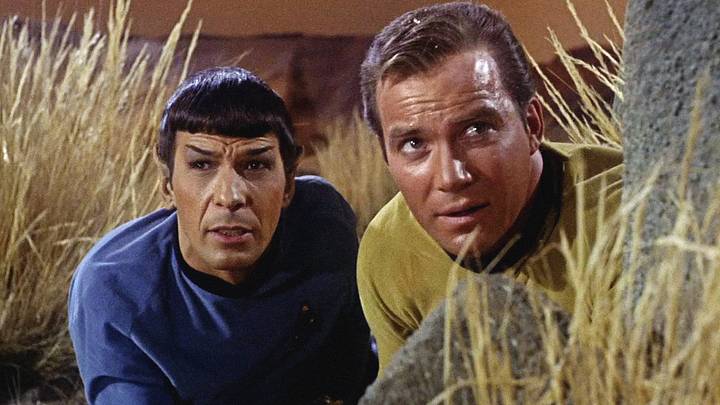
Even this early, Star Trek is already wrestling with questions bigger than the week’s body count. Kirk doesn’t beam down to slaughter a pest; he beams down to perform routine exams and check on an archaeological couple. The crew tries non‑lethal options more than once. They attempt to reason with Crater, to analyze the situation, to figure out what the creature is before they destroy it.
However, the episode doesn't promise a bloodless solution. Crater believes the last surviving member of the species should be protected. He's not altogether wrong. But he's even ready to minimize or excuse Enterprise crew casualties to save his companion. The narrative never entirely supports either side, instead forcing the audience to sit with the idea that mercy for one intelligent being can mean death for many others.
That moral conflict is Trek. It’s rough around the edges here, but the core is intact: respect for other life, a desire to understand, and a hard line about protecting your crew. “The Man Trap” shows that the franchise’s ethical instincts were present from day one, even when they were dressed up as a monster story.
 Add us as a preferred source on Google