

5. Broken utopia: life extension gone very, very wrong
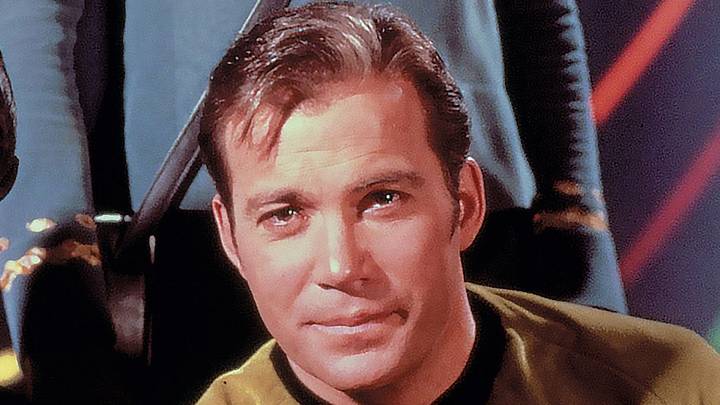
Underneath the creepy kids and makeshift lab, “Miri” is pure Trek cautionary tale: a civilization tried to hack mortality with a life prolongation project and instead created a slow-burning plague that annihilated itself. Adults died in days once symptoms appeared; children got centuries of extended youth and a guaranteed monstrous end when puberty hit.
That setup hits different in an era obsessed with longevity tech, biohacking, and anti-aging research. The episode doesn’t delve deeply into the original scientists’ ethics, but the shape of the warning is clear: when you treat human beings as lab variables in pursuit of more years, there’s a non-trivial chance you’ll just change the shape of suffering instead of abolishing it.
The haunting image at the end isn’t the cure itself. No, it’s a planet full of traumatized kids that the Federation now must educate, house, and shepherd into something like a normal life, picking up the tab for someone else’s experiment.
Viewed today, "Miri" is far from a flawless episode. Some of the child performances are uneven, the duplicate Earth premise is never fully explained, and the Kirk-Miri dynamic can be uncomfortable to watch.
Yet as a 60th anniversary revisit, it's exactly the kind of messy, ambitious early Star Trek that rewards a second look. By blending outbreak horror, failed utopian science, and childhood gone feral, the episode forces viewers to confront how little separates "we meant well" from "we broke the world."
For more Star Trek content, visit the Redshirts Always Die Facebook and X pages.
 Add us as a preferred source on Google