

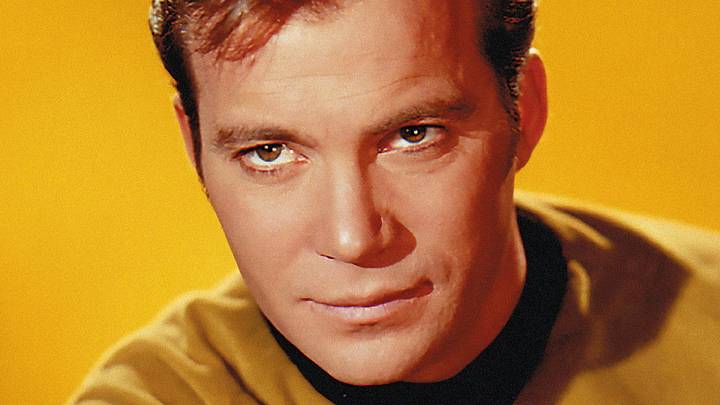
2 of 6
1. A sharp, kinetic 'second pilot' that feels like a launch
Even if you don’t know the production history, the episode feels like a statement of intent: the USS Enterprise literally slams into the galactic barrier, loses people, and comes back changed. Behind the scenes, it is that statement, the second pilot, that finally convinced NBC to green-light Star Trek, which gives the episode an extra charge on rewatch.
What makes it work today is its focus. There’s no B plot, no side quest: the ship hits the barrier, Gary Mitchell and Dr. Dehner change, and everything flows from the question of what to do about that. You can feel the show test-driving its mix of cerebral dilemma and pulp stakes, and it holds up as a tight, economical piece of sci-fi television.
 Add us as a preferred source on Google