

5. Big picture themes wrapped in pulp spectacle
For all the quarry brawls and glowing eyes, “Where No Man Has Gone Before” is doing what Trek is known for: using a flashy premise to poke at questions of human evolution, hubris, and the dangers of pushing too far. Crossing the galactic barrier is both literal and a symbolic visual way of asking what happens when you chase the edge of the map without knowing what the universe will do to you in return.
The episode suggests that “the next step” in human potential could be as terrifying as it is awe-inspiring, especially if it outpaces our ethics. Mitchell’s arc is basically a cautionary tale about getting power faster than you get wisdom, while Dehner embodies the possibility that growth doesn’t have to mean losing your soul. 60 years later, in a world obsessed with augmentation, enhancement, and rapid leaps in capability, that tension still lands.
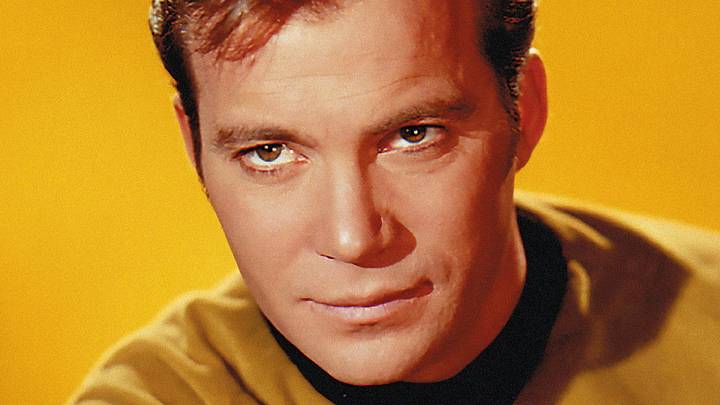
There’s also the historical weight the episode carries. It marks the first produced appearance of William Shatner’s Kirk, James Doohan’s Scotty, and the now legendary “where no man has gone before” line that would echo through the franchise.
Rewatching it for the 60th anniversary, you’re not just seeing an early adventure; you’re watching the moment Star Trek figured out how to be itself by using the tragedy of a friend consumed by power to define the kind of humanity that should venture into the unknown.
For more Star Trek content, visit the Redshirts Always Die Facebook and X pages.
 Add us as a preferred source on Google